I have tried Korean sashimi on a few occasions, and it is not readily available in Singapore. The restaurant I tried has unfortunately closed down, and while there are still a couple of restaurants serving authentic Korean sashimi, the price is not cheap
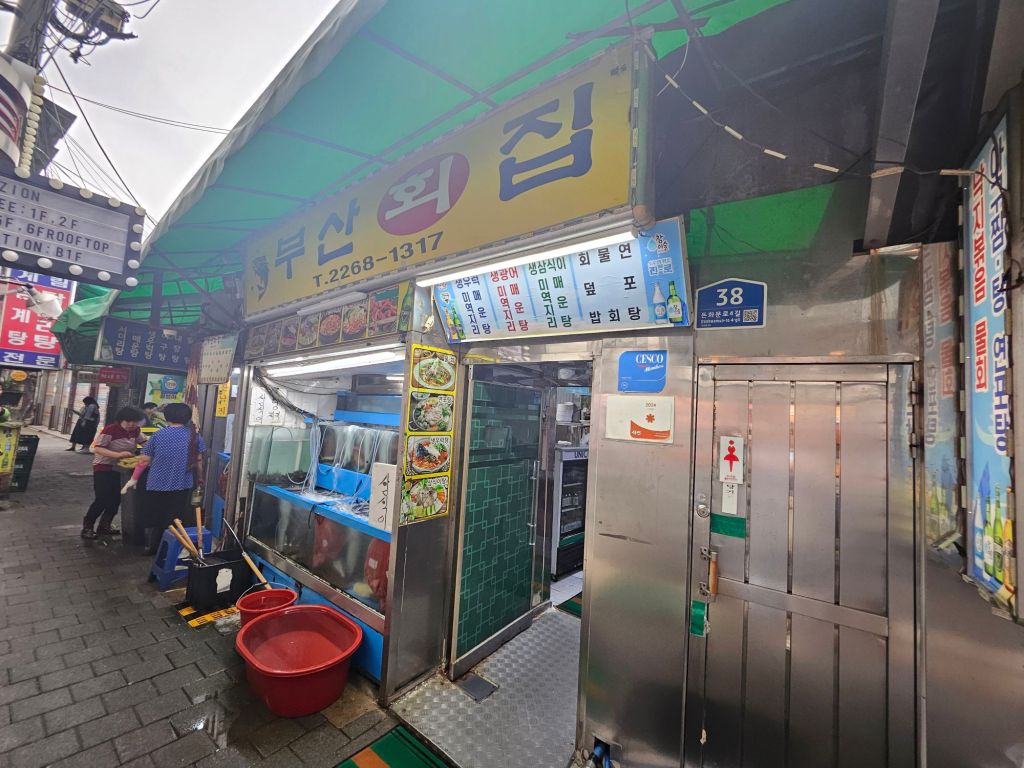
The only times I had sashimi in Korea were at Haeundae Beach, Busan and in Seoul at the Noryangjin market. On my latest trip, I decided to ask the locals to bring me to an affordable sashimi restaurant in Central Seoul. The name of the restaurant is Busan Hoe Jib, which translates to Busan raw fish restaurant
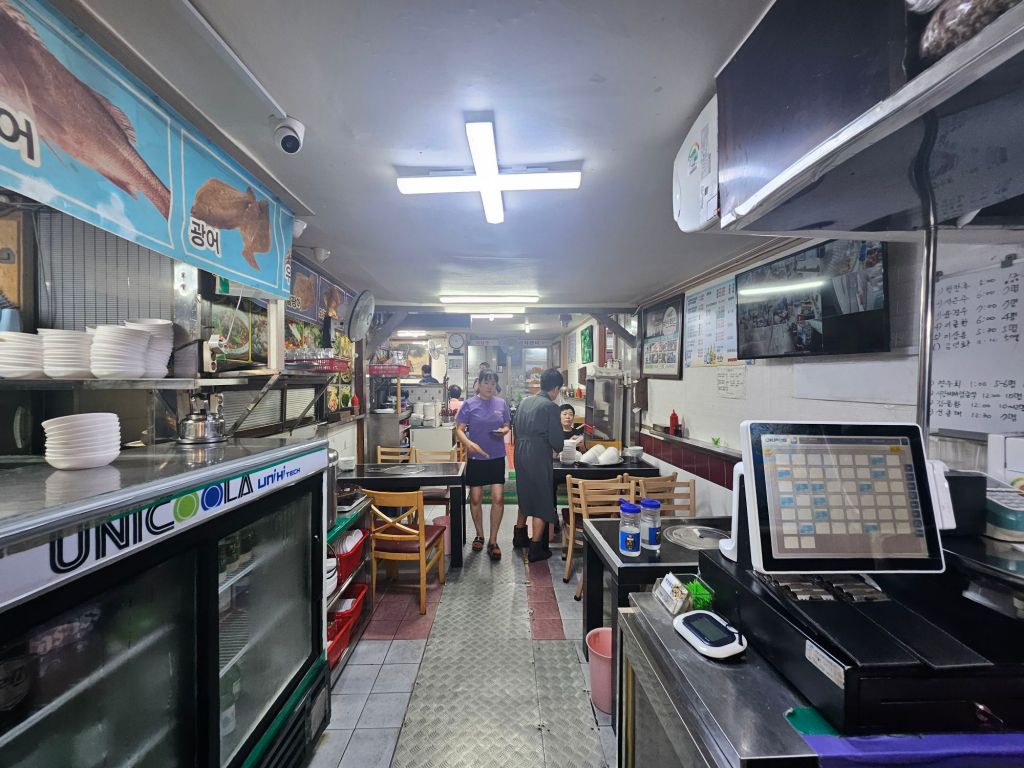
Located in Jogno, the restaurant is hidden from the general view as it is located in the small alleyways of the area. Unless you are a regular, it would be almost impossible to find the restaurant on your own. The space is small and tight, and it only has a couple of tables for its regular diners. There is no English menu at all, so if you do not speak Korean, it will be a challenge
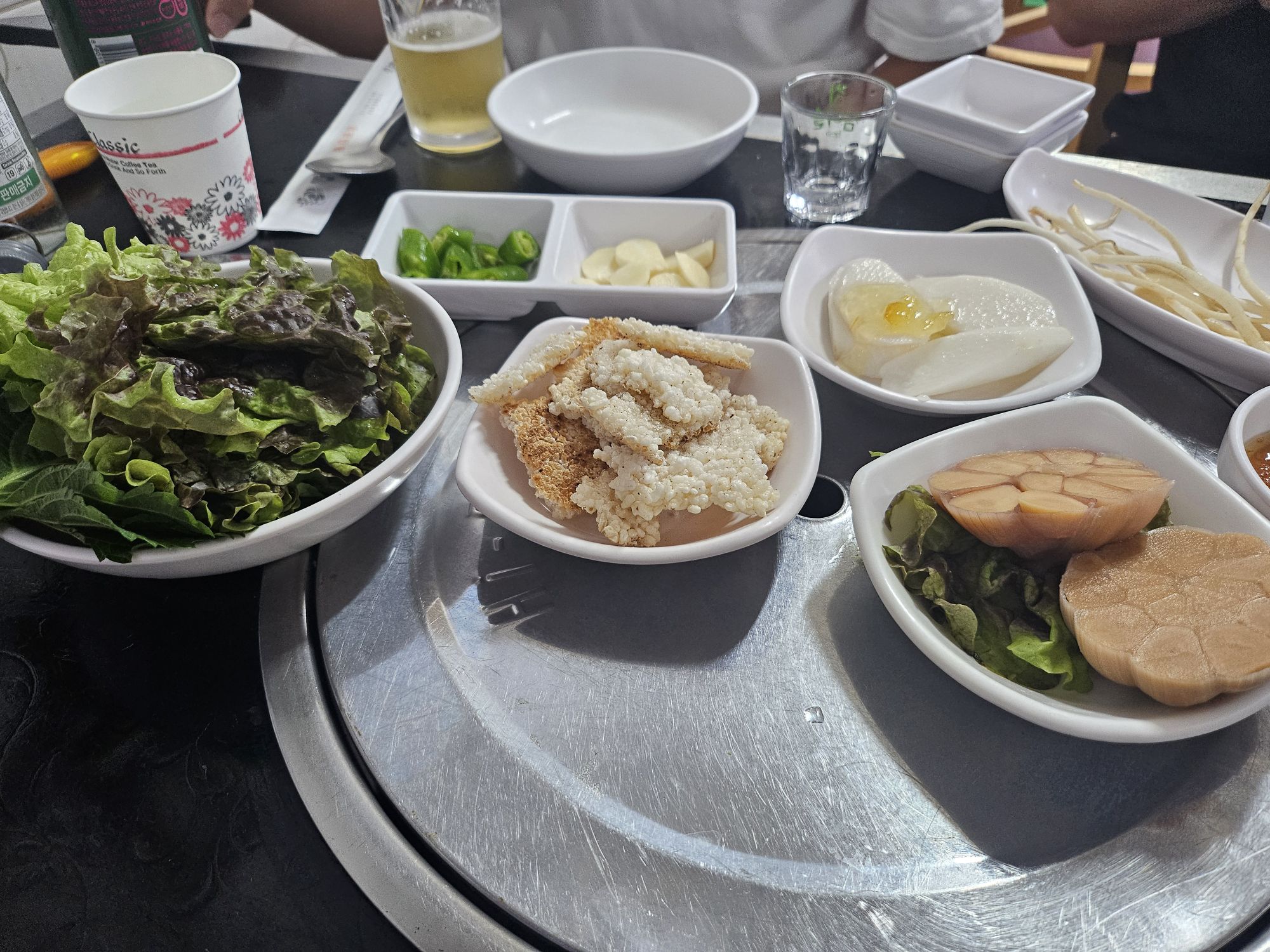
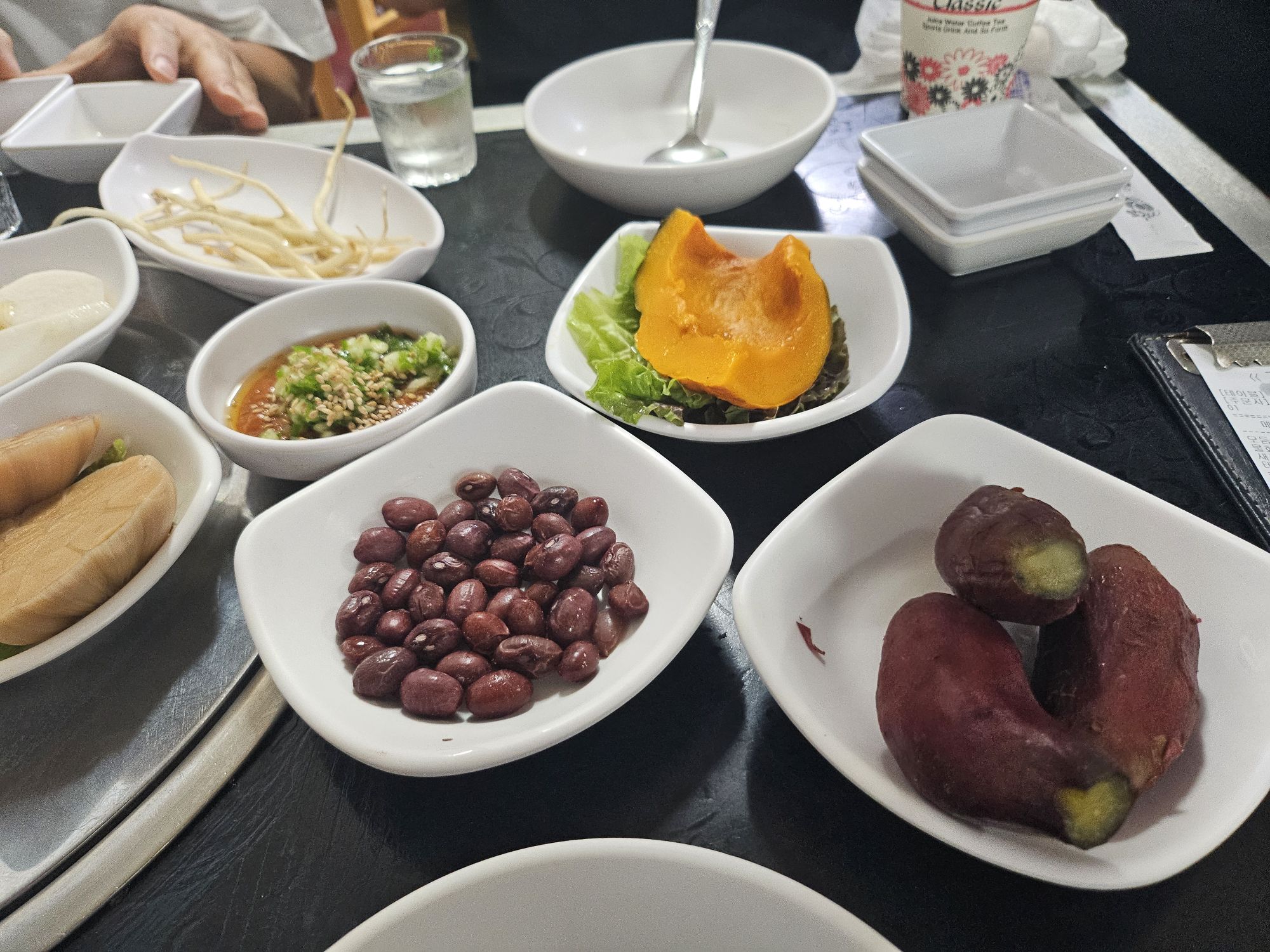
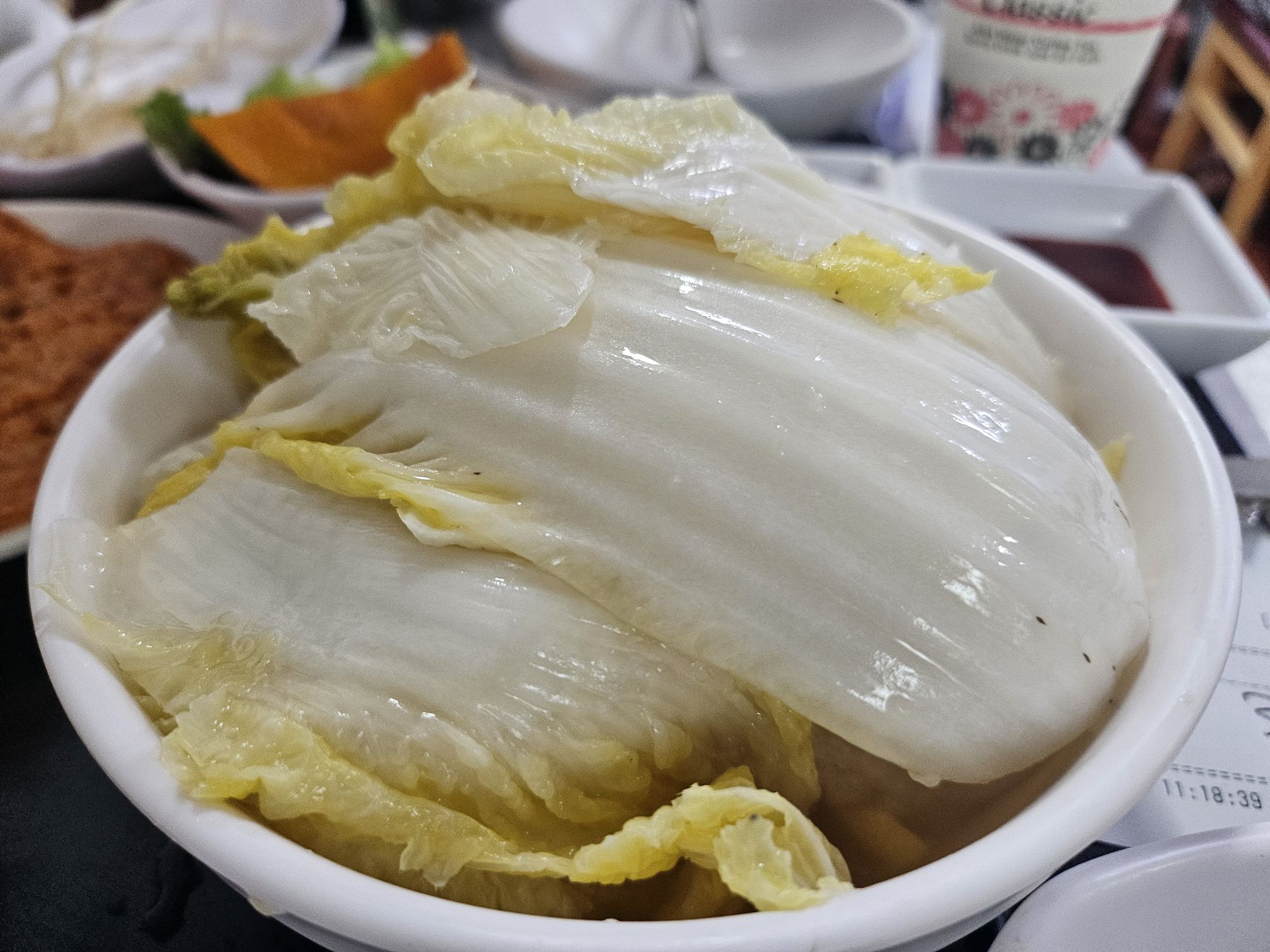
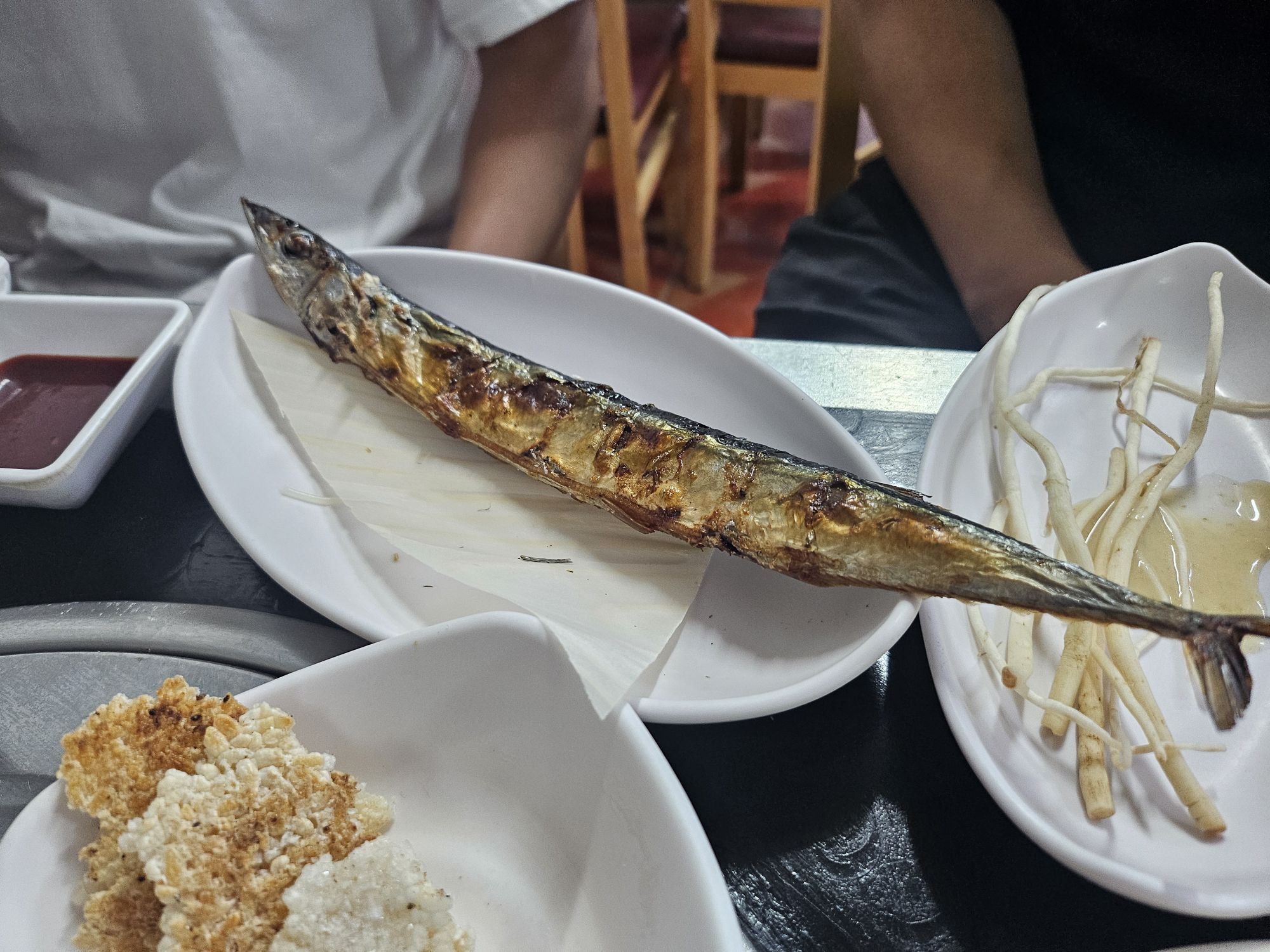
With many of the local small restaurants, you will be served a bunch of side dishes, which is not usual in the bigger Korean restaurants. We had pickled garlic in halves, nurungji, which are burnt rice, steamed sweet potatoes, steamed pumpkins, roasted peanuts, dried pollack strips and lettuce. There were also spicy cabbage kimchi and white cabbage kimchi provided, and mid-meal, the nice ahjuma also gave us a pan-fried fish
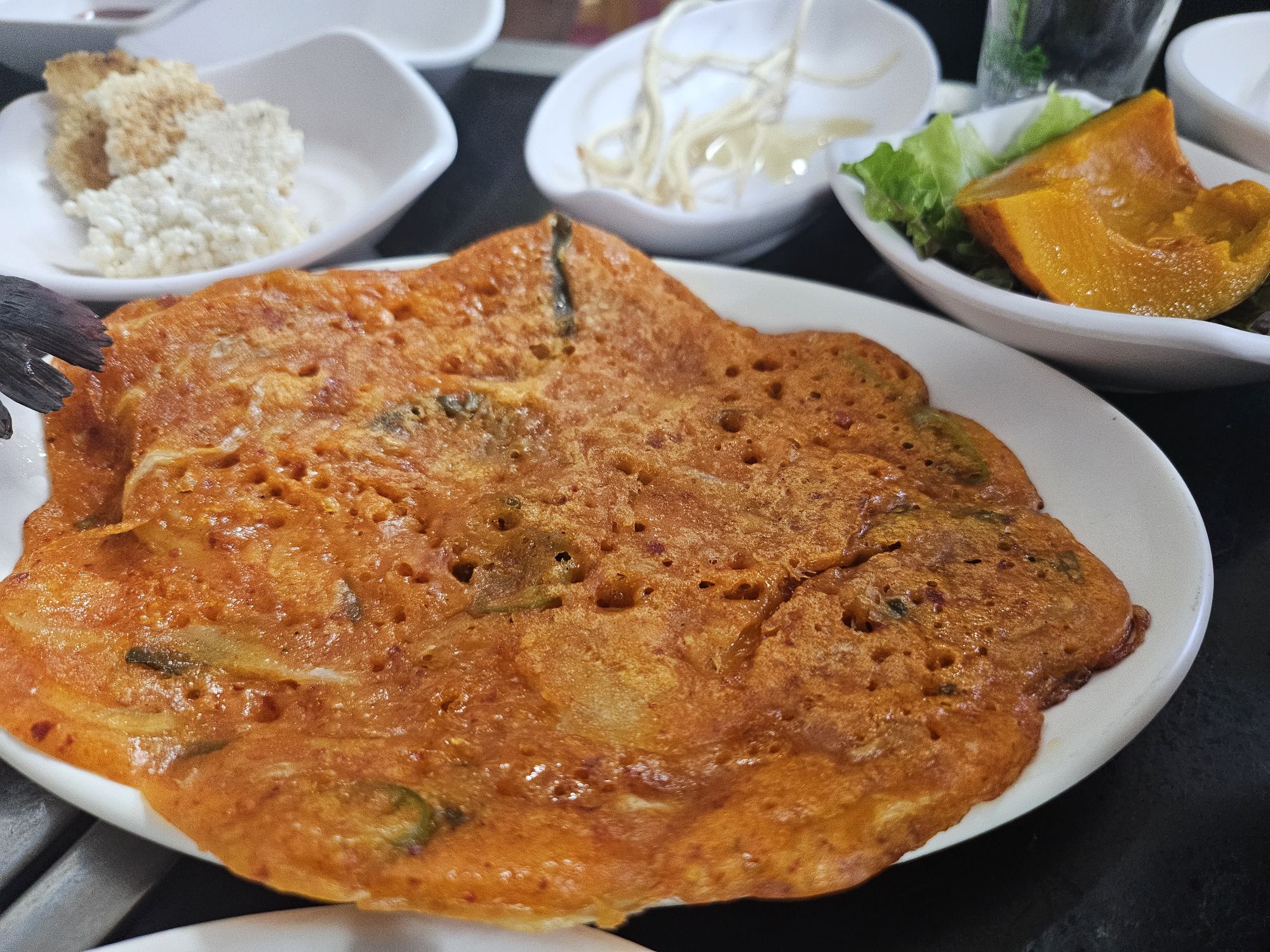
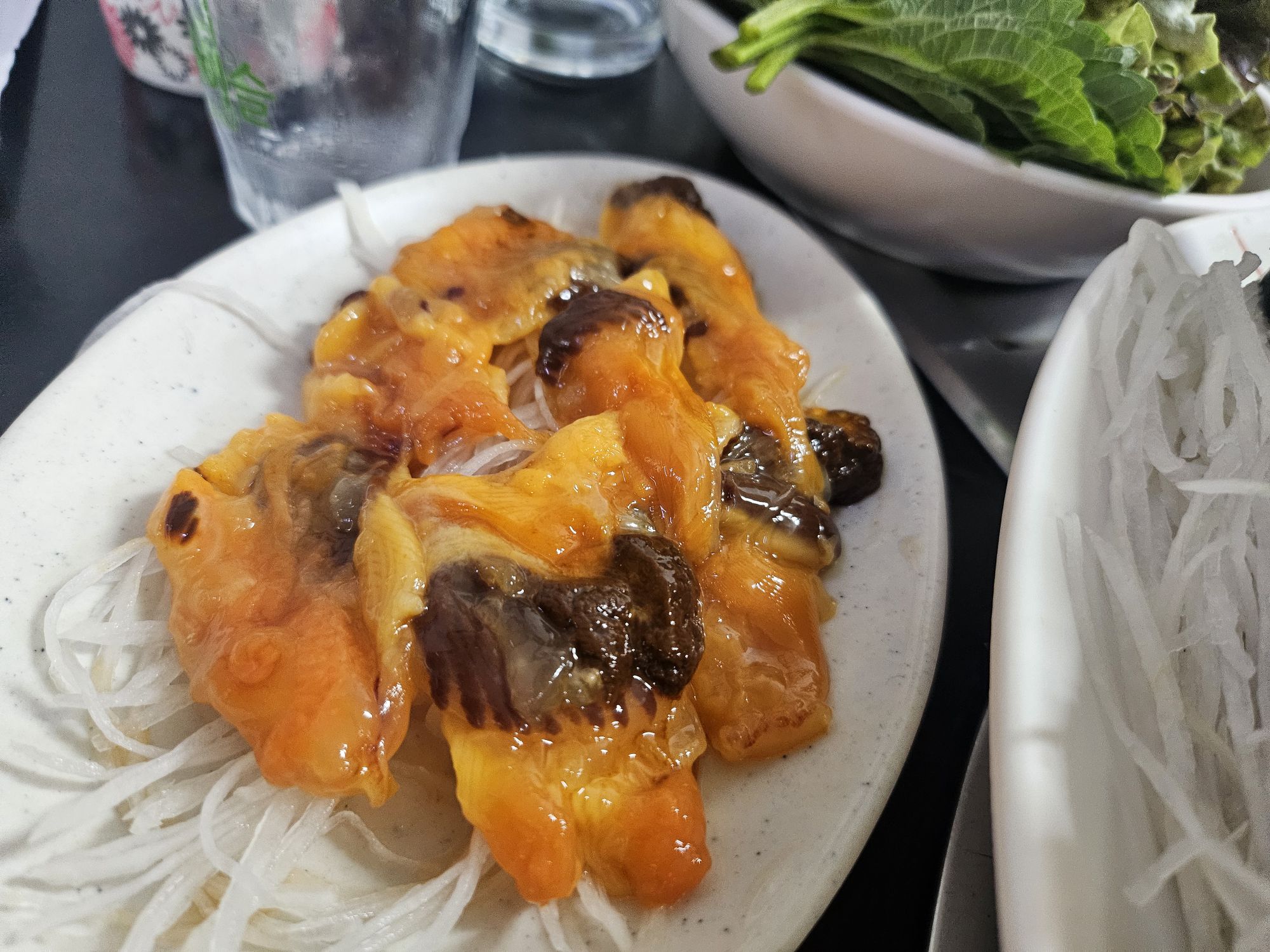
I couldn’t figure out if this was part of the set, a side dish or plainly a service dish (complimentary) as the lady kept putting things on our table and speaking in Korean. This was a very traditional homemade kimchi pancake, as the dough was chewy and soft compared to the crispy ones. There was kimchi and some other vegetables inside the pancake, and it was perfect as a drinking snack. There was also a plate of seafood, which the Koreans call sea grapes or sea pineapple, and we also added that to the mulhoe for variety
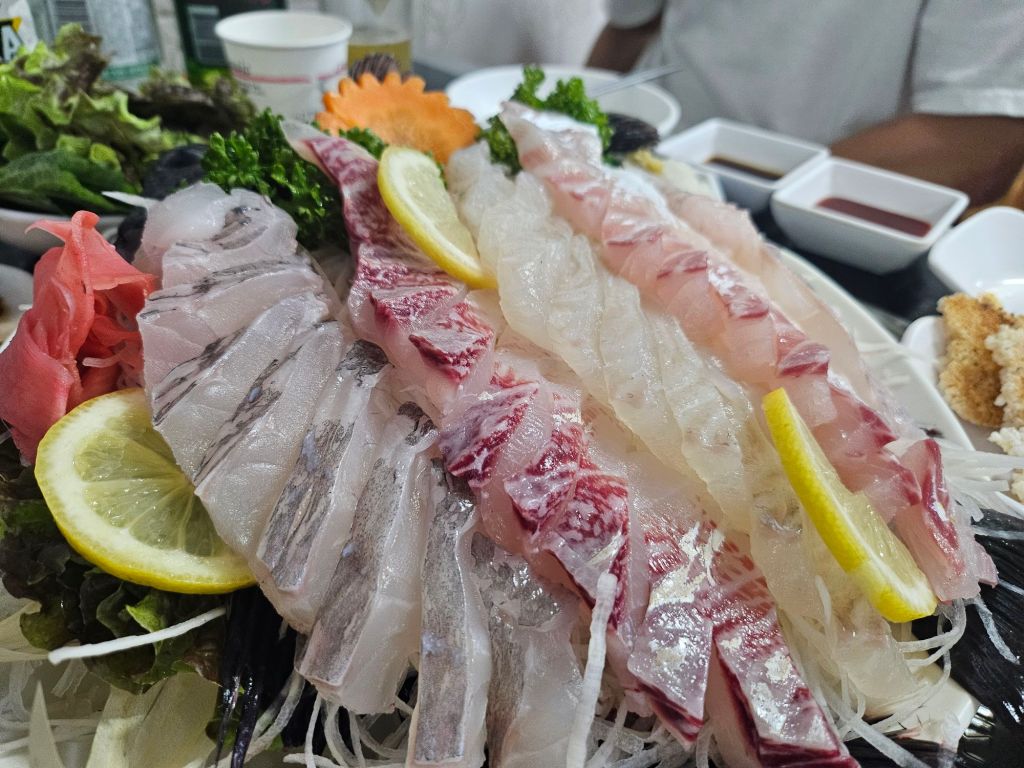
The highlight of the meal was the fish sashimi, which included the sea bream, flounder, rock fish and grey mullet. The fish were fresh from the fish tanks outside of the restaurant and are usually firm-textured and served with red pepper paste (cho-gochujang), soy sauce, and wrapped in lettuce or perilla leaves. The restaurant also served soy sauce with wasabi, as some diners like to eat it the Japanese way. The freshness of the fish has a natural sweetness, and the firmness has a nice chewy texture
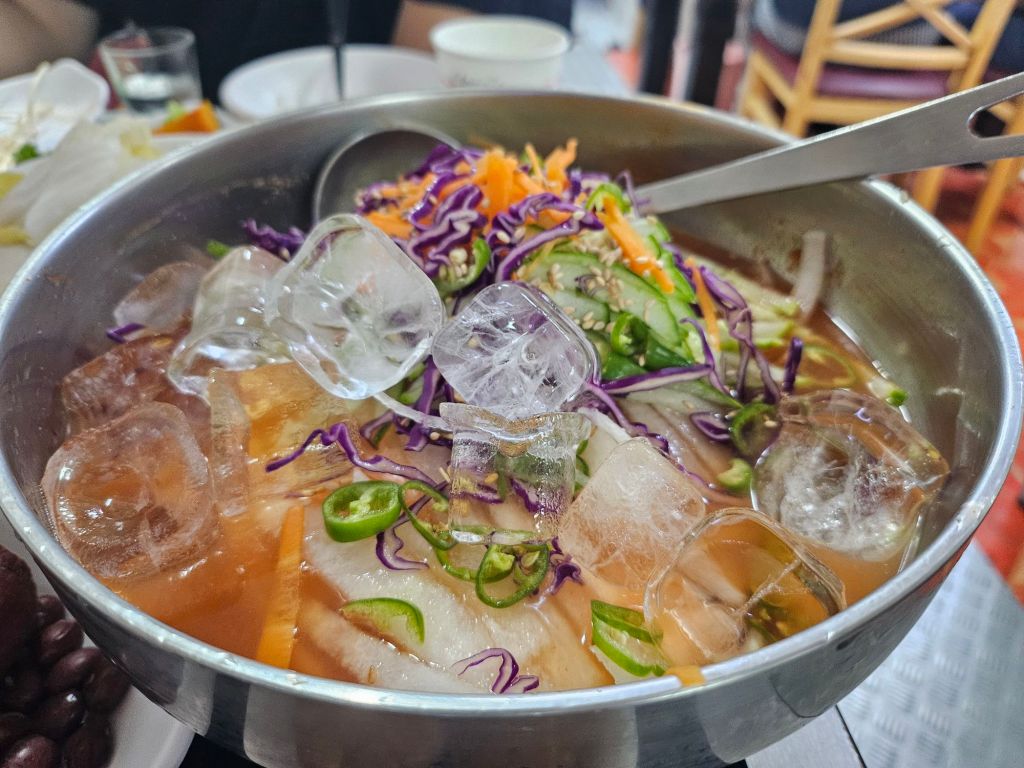
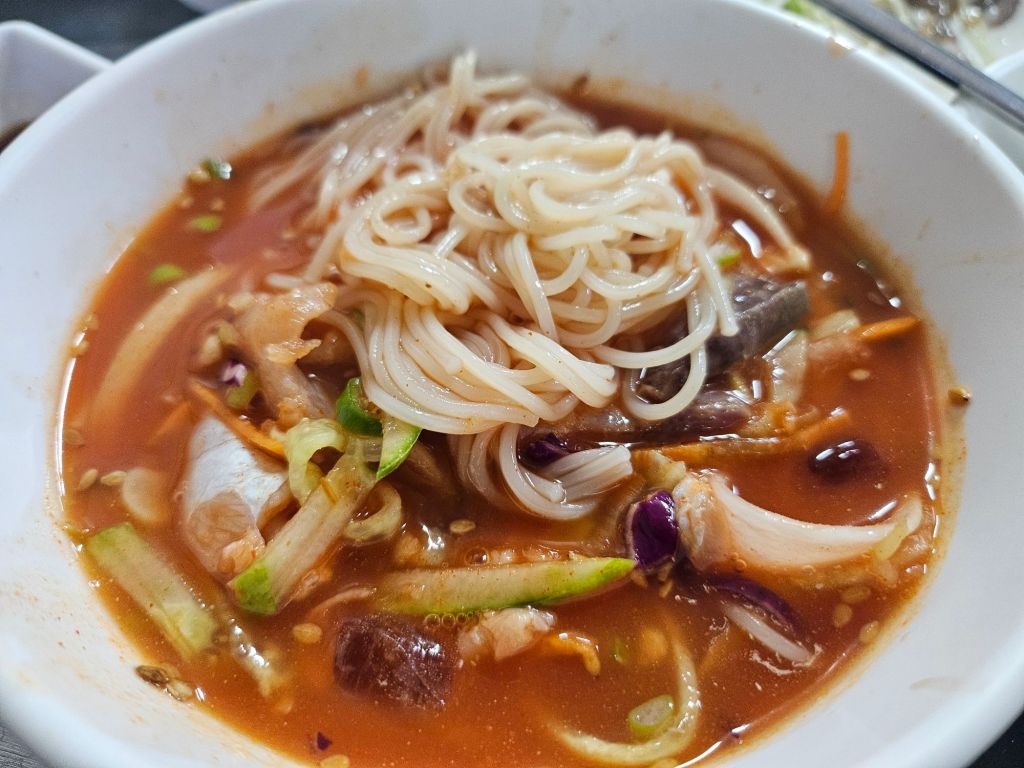
The next dish was the main highlight for me, the mulhoe, which is a traditional Korean cold raw fish soup, popular in summer for its refreshing, spicy, and tangy flavour profile. It was served in a silver pot with squid, crunchy vegetables like cucumber and pear in a chilled, seasoned gochujang broth, where we added the sashimi fish to the soup to make a complete dish. There were also noodles that you can add to the dish for a cold noodle dish. After my first taste, I can officially declare this dish as my favourite Korean noodle, even more than my beloved kong guksu. The texture of the fish slices provided the chewy bite, while the vegetables gave a nice crunch to the soft, smooth noodles. The broth was both spicy and tangy which makes every bite so addictive that I could not stop getting multiple servings. The ice cubes also make this dish a super refreshing dish during hot summers
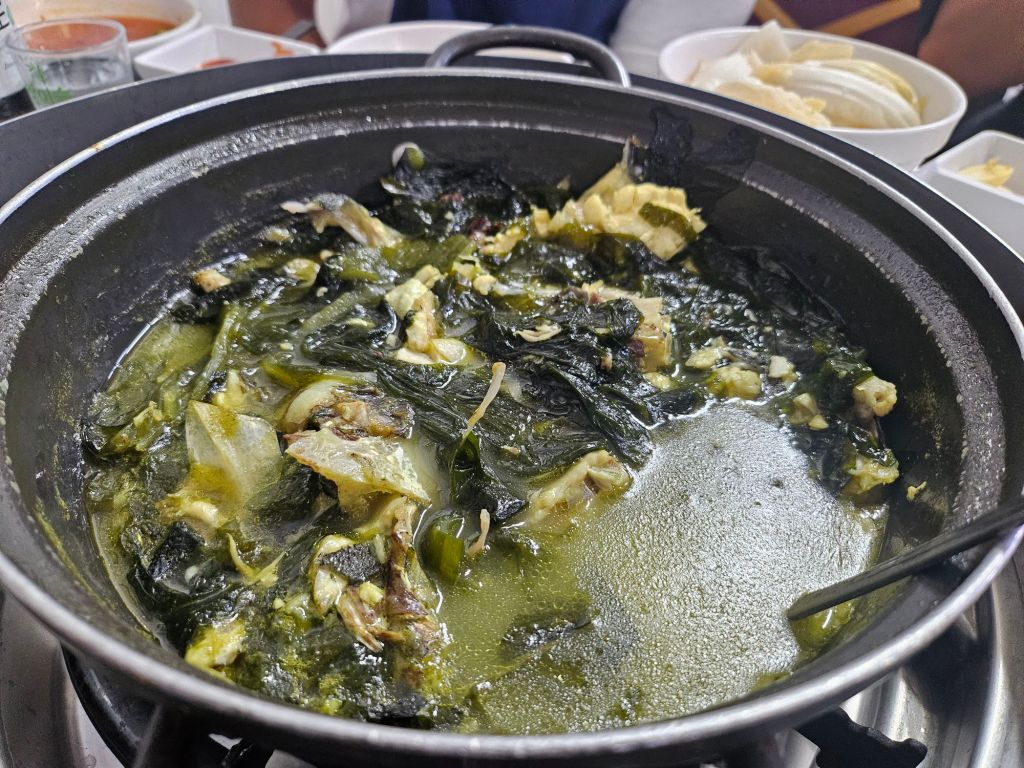
Last but not least, we were served a seaweed and egg soup which was full of the umami flavours from the sea. This was a nice warm finish for the overall meal since most of the items were cold. While the flavours were simple, it was like a comforting homemade soup
Overall, I fully enjoyed the meal and am already planning to go back during my next trip. There could be other sashimi restaurants in Seoul, but I tried searching for mulhoe, and it seems like most of them are found in these small alley restaurants
Address: 38 Donhwamun-ro 4-gil, Jangsa-dong, Jongno District, Seoul, South Korea
Opening hours: 11 am to 10 pm ( closed on Sun)


